
Mr Mattine · Deep plane facelift surgery, designed around your face
Facelift Surgery
Mr Mattine's Designer Facelift releases and repositions the deeper tissues of the face and neck, for a refreshed result that looks natural and is built to last.
Facelift surgery
Looking as refreshed as you feel
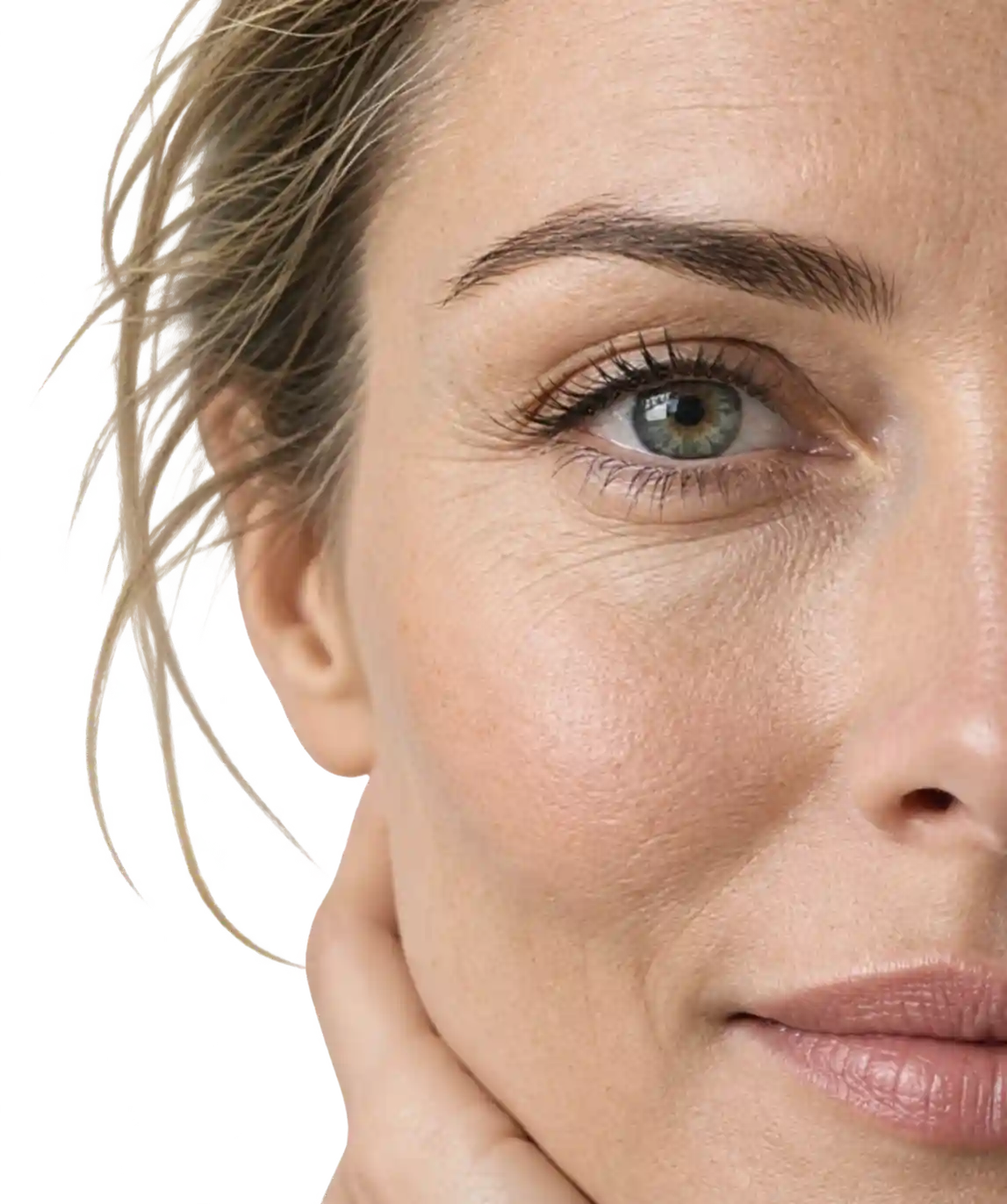
Time, gravity and stress all work against the face. Over the years they leave wrinkles, sagging skin, jowls, marionette lines, a poorly defined jawline and a loose neck.
Face and neck lift surgery is the most reliable way to rejuvenate these areas. The surgeon tightens sagging skin in the jowls and neck and restores youthful volume to the cheeks and mid-face.
A well-executed facelift should leave you looking refreshed, alert and confident, with something of the vitality you had when you were younger.
Surgical facelifts remain the gold standard for men and women who want real, lasting results.
Surgery or not
Why surgery gives longer-lasting results
Non-surgical options for facial rejuvenation are available, but they often give only temporary results. Some last just a few months.
Some leave patients with long-term complications that need complex surgical management after a few years.
No non-surgical procedure can achieve the same dramatic and long-lasting results as a surgical facelift or neck lift.
Is it right for you
You may choose a facelift if you have
Sagging and deep folds
Deep skin folds in the face and the neck.
Jowls and marionette lines
Prominent jowls along the jawline, and the fold of skin that runs from the nose to the corner of the mouth.
A loose neck
Poor distinction between the chin and the neck, or dropping skin sometimes called a turkey neck.
A poorly defined jawline
Loss of definition along the jaw.
Neck bands and fullness
Loose skin, muscles and vertical bands in the neck, and excess fat under the chin.
A change in how you feel
Feeling you look older than your real age, with a loss of self-confidence and concern about looking less dynamic.
Types of facelift
The approach is matched to your needs
Different types of facelift can be offered. Which one suits you depends on your face and what you want to change.
Deep plane facelift
Considered the most reliable form of facial rejuvenation. It addresses all areas of the face and neck, excluding the forehead, by tightening the sagging skin of the jowls, marionette lines and neck and restoring youthful volume.
Midface lift
This addresses ageing in the cheeks and the area from the lower eyelids to the nasolabial folds. It suits patients without significant sagging in the neck and jawline, and restores the youthful connection between the lower eyelid and the cheek.
Mini facelift
A short-scar technique that greatly reduces scarring behind the ear and in the hairline, and in some cases may avoid it entirely. It treats the lower face and suits younger patients with mild signs of ageing. It does not improve the cheek area.
Platysmaplasty and neck lift
Anterior platysmaplasty lifts and tightens the affected neck muscles, with direct removal or liposuction of excess fat. It treats vertical folds and the loss of the angle between chin and neck, often called a double chin.
Mr Mattine's technique
The Designer Facelift
He is recognised as an international expert in deep plane facelifting and is often invited to lecture on his adaptations.
The deep plane facelift releases and repositions the deeper layers of muscle and fat, rather than simply pulling and removing skin. The deeper layers are fibrous and inelastic, unlike the highly elastic skin, so this approach generally gives better and longer-lasting results.
Traditional deep plane facelifts mainly improve the lower face and neck. They do little for the midface, where ageing shows as flatter cheeks, a sunken look below the eyes and deeper nasolabial folds.
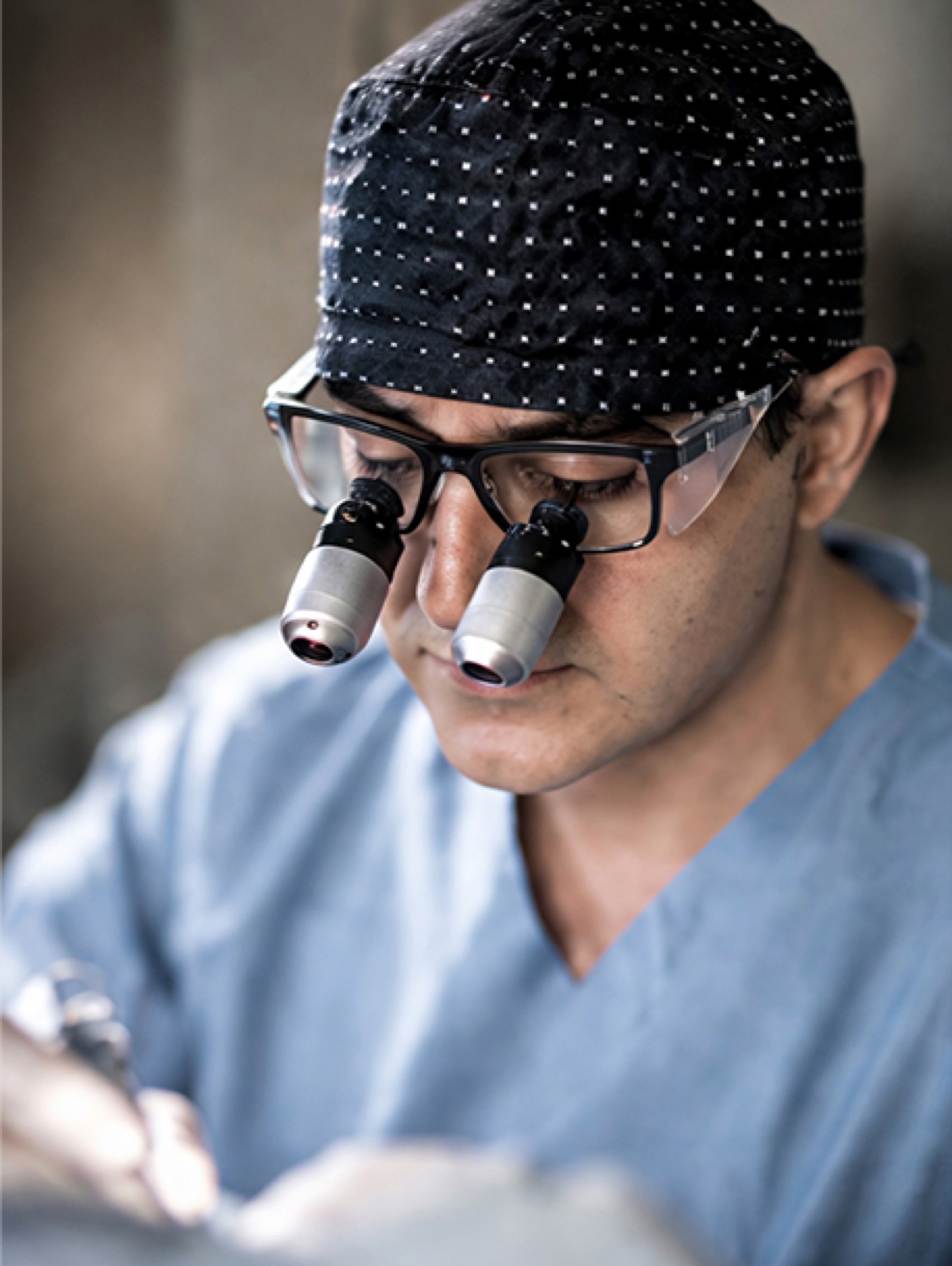
Mr Mattine operates exclusively on the face. He has developed a number of modifications, which he brings together in his Designer Facelift, aiming for natural results with longevity in mind.
The modifications
Five refinements to the deep plane technique
Releasing the facial ligaments that hold deeper layers down is central to a good result. The zygomatic ligament in the cheek is one of the most important.
Releasing the malar fat pads
Mr Mattine releases the zygomatic ligament and frees the malar fat pads, then repositions them higher. This restores volume to the cheeks and mid-face, softens the nasolabial folds and treats hollowness under the lower eyelids. He can also assess and reposition the buccal fat pads, which adds cheek volume and lifts the corners of the mouth.
Different lift directions
Traditional facelifts pull tissue sideways towards the ears, which can stretch the look and drag the mouth and eyes outwards. Mr Mattine lifts the deep and superficial layers along different vectors, with a more vertical lift of the deeper layers. The result looks more natural.
A defined jawline
He releases the masseteric and mandibular ligaments that anchor the jowl. This allows a smooth, defined jawline and keeps definition at the angle of the jaw, which can look softened when tissue bunches in SMAS techniques.
The extended high technique
A more thorough dissection of the SMAS, reaching close to the nose and the corners of the mouth, lifts it higher. It gives a stronger lift to the midface and lower eyelid area, and suits advanced ageing, volume loss and sagging in the cheeks and lower eyelids.
Restoring volume, not replacing it
Mr Mattine believes fat and soft tissue do not disappear with age. They migrate and descend as support is lost. Repositioning that tissue restores volume and contour, rather than adding fat grafting to replace it.
Further options
Neck, revision and eyelids
With a deep plane neck lift
Mr Mattine often combines the facelift with tightening of the platysma muscle at the front of the neck, and direct removal of fat under the chin. What he does depends on how heavy and loose the front of the neck is.
This treats excess tissue under the chin and vertical cords and bands, and balances the face and neck.
Revision facelift
Mr Mattine performs a significant number of secondary facelifts for patients unhappy with an earlier operation.
Most have already had an SMAS procedure, so he uses the deep plane technique in revision cases to avoid an unnatural outcome. He is widely recognised for restoring a soft, natural appearance.
The lower eyelids
Many of Mr Mattine's patients first considered lower eyelid surgery. After their facelift, the improvement around the eyes is often so significant that they no longer need it.
A facelift should look like you, only more rested.
At a glance
Key surgery facts
- Anaesthesia
- Sedation or general anaesthesia, depending on your preference and the type of facelift
- Incisions
- Around the ear, placed in natural creases, and in some cases extending into the hairline and behind the ear
- Surgeon
- Mr Mattine operates exclusively on the face
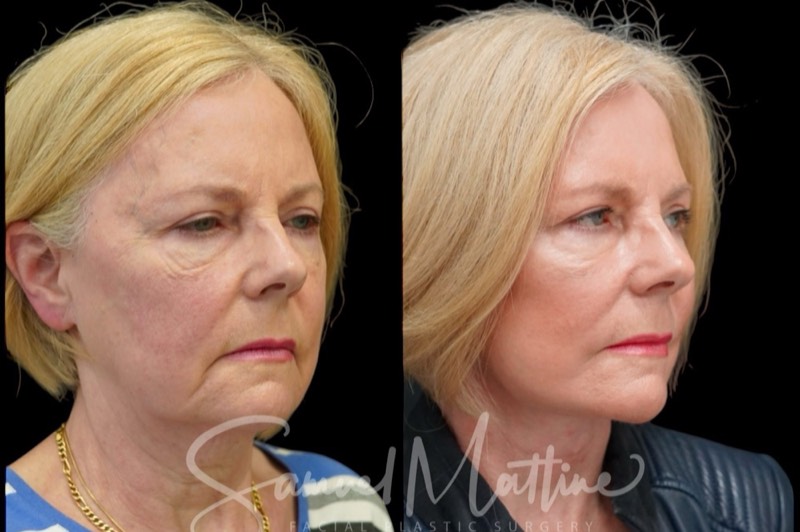
Results
Before and after gallery
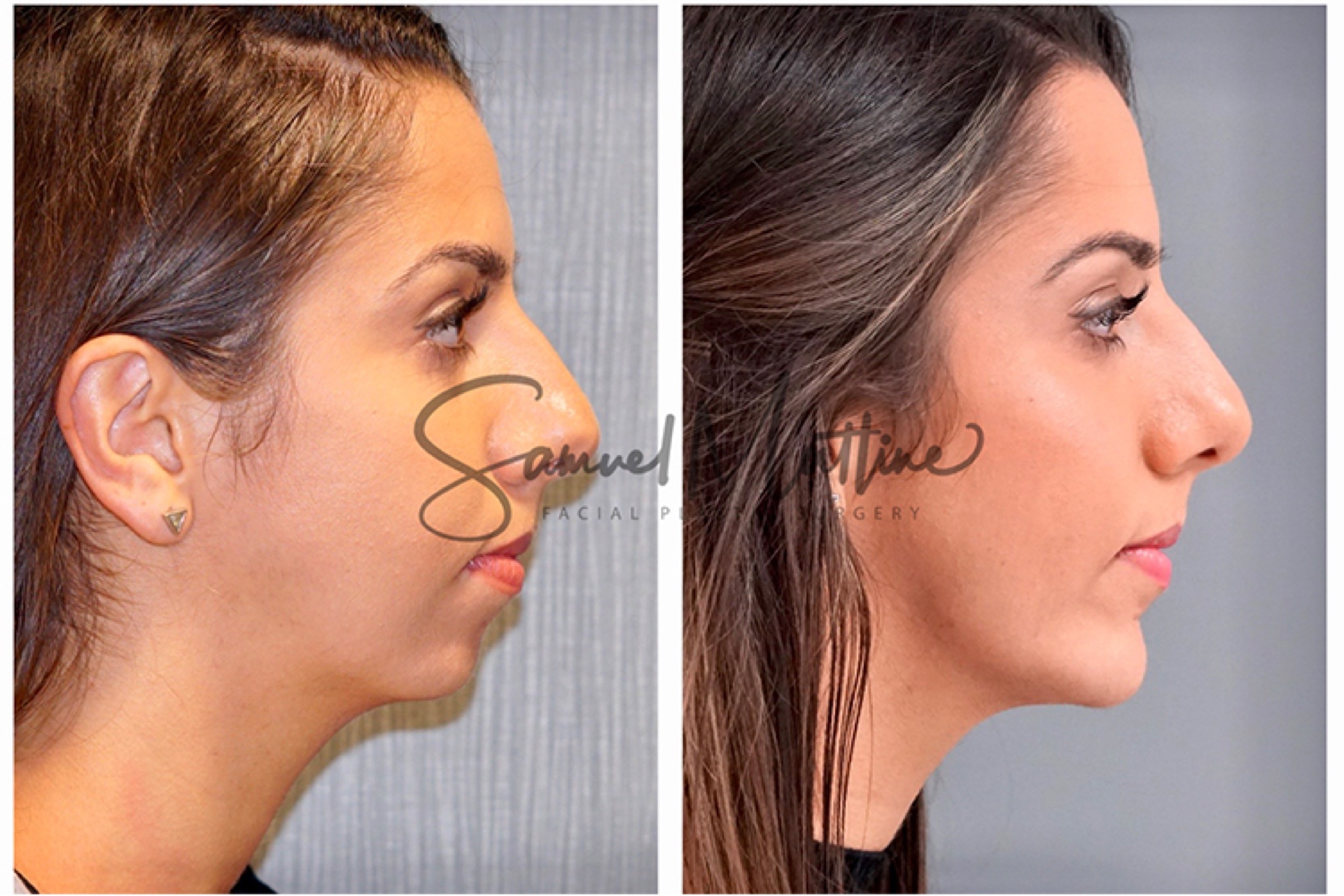
Real patients, natural results. 25 cases of face and neck lift performed by Mr Mattine.
View full galleryFacelift
Frequently asked questions
Mr Mattine assesses your face type and discusses the best options for your goals. You learn about the causes of facial ageing and how a facelift can reverse its signs. He explains the techniques that suit you, the risks and the recovery process.
Refined results
Complementary procedures




A reputation built on results
Surgery is ultimately judged not by its description, but by what it achieves.
Explore a selection of primary, revision and complex facial surgery cases performed by Mr Mattine, then arrange a consultation in London or Birmingham.