
Mr Mattine · Aesthetic, functional, revision and reconstructive nose surgery
Rhinoplasty (Nose Reshaping)
Surgery to reshape, reduce or augment the nose, or to improve breathing. Mr Mattine is known for primary and complex revision rhinoplasty.
Nose surgery
The central feature of the face
Rhinoplasty is one of the most common facial plastic procedures.
The nose plays a major part in a person's appearance and self-esteem. Rhinoplasty, also known as a nose job, reshapes, reduces or augments the nose to improve how it looks, or to address breathing problems caused by structural issues such as a deviated septum or weak nasal walls.
Mr Mattine is known for his expertise in both primary and complex revision rhinoplasty. Aesthetic and functional options are both offered, tailored to your needs.
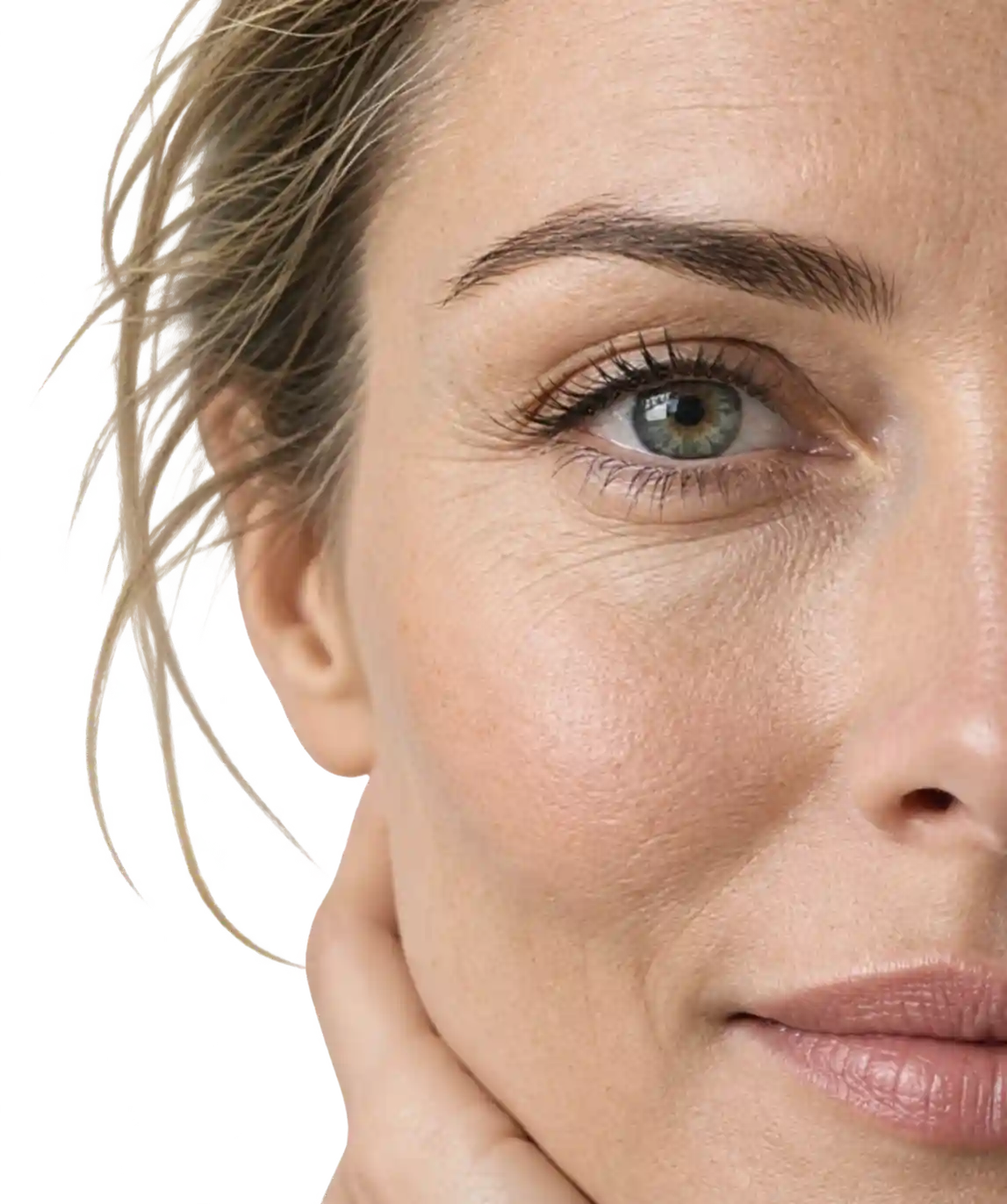
Types of rhinoplasty
Four reasons to consider nose surgery
Aesthetic rhinoplasty
For those unhappy with how the nose looks. It can address size and shape, tip projection or rotation, and the relationship between the nose and upper lip, improving facial balance and harmony. Crisalix 3D imaging may be available at your consultation to help you visualise the anticipated outcome.
Functional rhinoplasty
For problems with nasal breathing. A deviated septum is a common cause and can also make the nose look crooked. Septoplasty corrects the septum to improve the airway without changing the appearance. Combined with aesthetic rhinoplasty, it is called septorhinoplasty and addresses both breathing and appearance.
Revision rhinoplasty
For unsatisfactory results from earlier nasal surgery, such as an over-elevated tip, a collapsed or narrow bridge from lost support, or difficulty breathing. It is more complex and often needs additional cartilage to reconstruct the nose. Mr Mattine performs many revision cases.
Reconstructive rhinoplasty
To restore missing parts of the nose, or its function, after the removal of tumours or nasal trauma. Total or sub-total reconstruction is among the most challenging nasal surgery and often takes several stages.
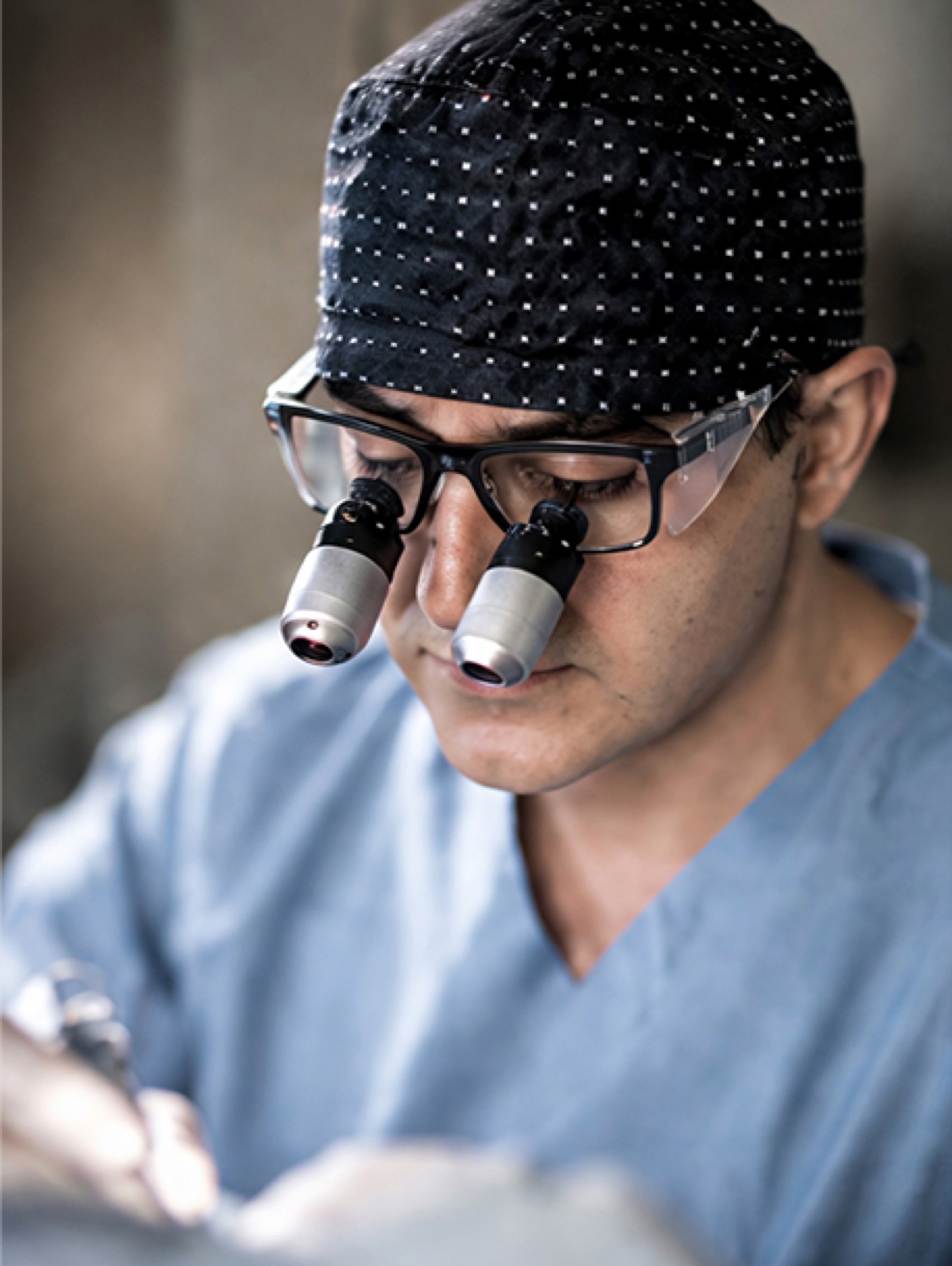
Reconstruction
A select group of surgeons
Mr Mattine is among a select few surgeons in the United Kingdom who perform total nasal reconstruction surgery.
He is regularly invited to lecture on the subject at international conferences.
Techniques
Open, closed and non-surgical
Surgical rhinoplasty can be carried out by an open or a closed approach.
Closed rhinoplasty
All incisions are made inside the nose, so there are no visible scars and swelling after surgery is reduced.
It suits milder deformities where extensive changes are not expected.
Open rhinoplasty
A small incision, typically 3 to 4 mm, is placed discreetly on the columella, the underside of the nose. This gives optimal access to all parts of the nose.
It is particularly helpful for revision surgery and when significant changes are needed.
Non-surgical rhinoplasty
Temporary fillers can add volume, camouflage a hump, lift the tip and conceal small defects.
The results are temporary, so this is best done by a qualified surgeon with a deep knowledge of facial anatomy.
For men
Improvement that keeps a masculine look
Rhinoplasty for men improves the nose while maintaining a masculine appearance. Where surgery for women often focuses on softer features, the aim for men is to complement their own facial characteristics.
It can reduce or increase the size of the nose, remove bumps and refine its shape and definition. Sometimes the main aim is to treat a breathing problem.
Looks and breathing, considered together
A no-obligation consultation is the place to start.
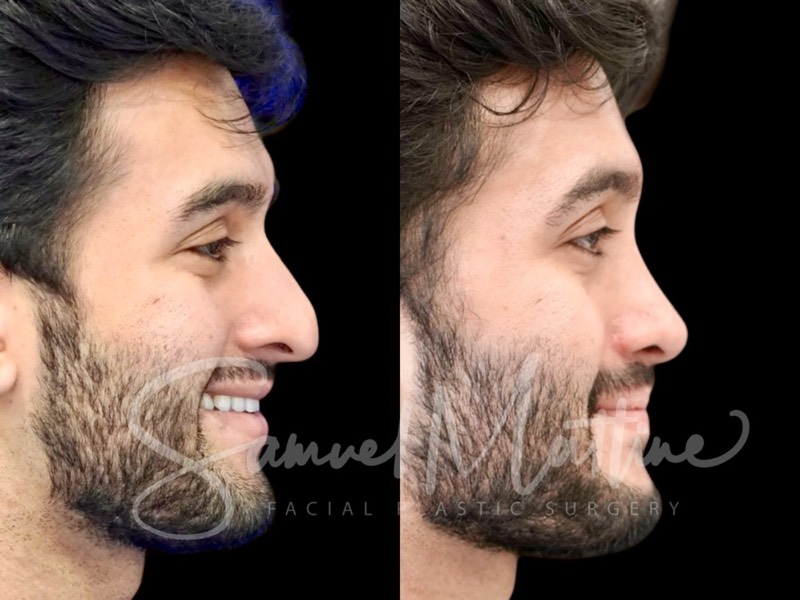
Results
Before and after gallery
Real patients, natural results. 25 cases of rhinoplasty performed by Mr Mattine.
View full galleryRhinoplasty
Frequently asked questions
Yes. Functional rhinoplasty addresses breathing problems caused by structural issues such as a deviated septum. Septoplasty improves the airway without altering the look of the nose, and septorhinoplasty combines it with aesthetic changes.
Refined results
Complementary procedures


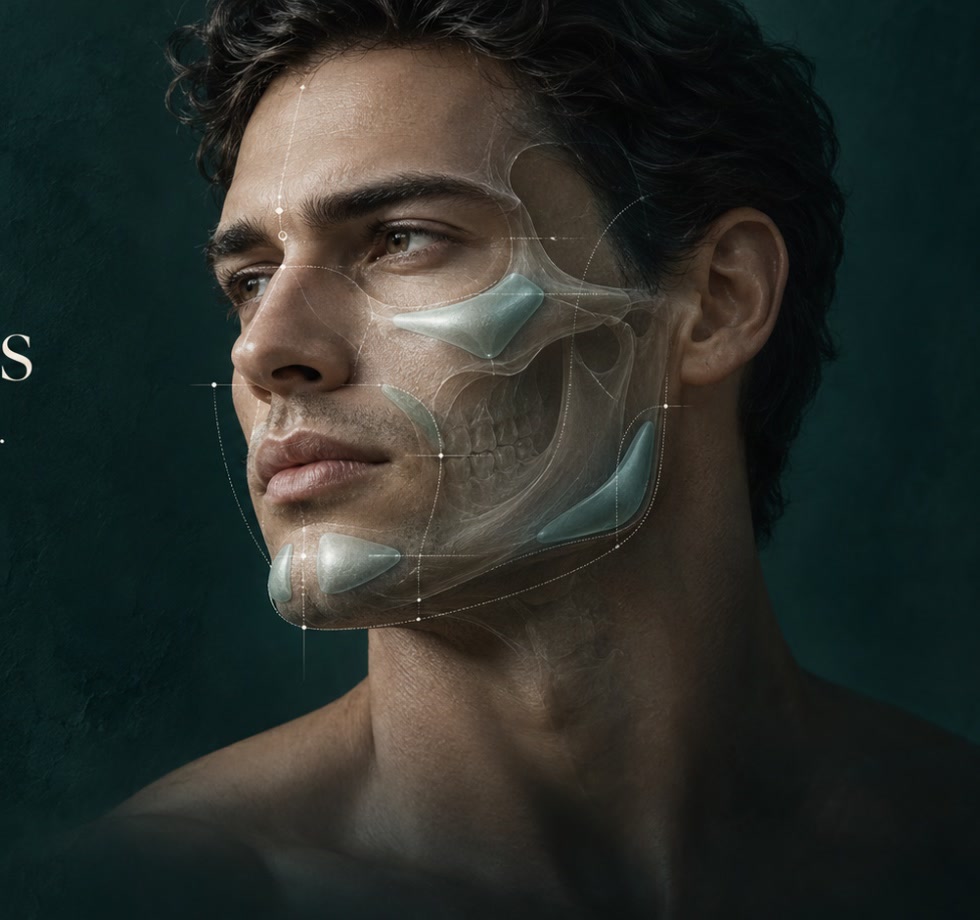

A reputation built on results
Surgery is ultimately judged not by its description, but by what it achieves.
Explore a selection of primary, revision and complex facial surgery cases performed by Mr Mattine, then arrange a consultation in London or Birmingham.