
Mr Mattine · Treatment of facial skin lesions, with safety and appearance as the priority
Skin Surgery: Lesions, Cysts, Moles and Scars
Treatment of moles, cysts, lipomas and other skin lesions, skin cancer surgery, scar revision and surgical tattoo removal, with careful attention to scarring on the face.
Skin lesions
Lumps, moles, cysts and skin tags
Most facial skin lesions, such as lumps, moles, cysts, skin tags or lipomas, are benign. Many patients still choose to have them treated, as they can be unsightly, painful or restrict movement. Most benign lesions can be treated simply.
Where a lesion is suspected to be cancerous, surgical excision remains the treatment of choice.
Facial skin is not as forgiving of scars as other parts of the body. Appearance is an integral part of management, and special skills are needed to minimise scarring.
Mr Mattine is a member of the specialist multidisciplinary team managing skin cancer, and has extensive expertise in cosmetic and reconstructive facial surgery. Safety and appearance are his priorities.
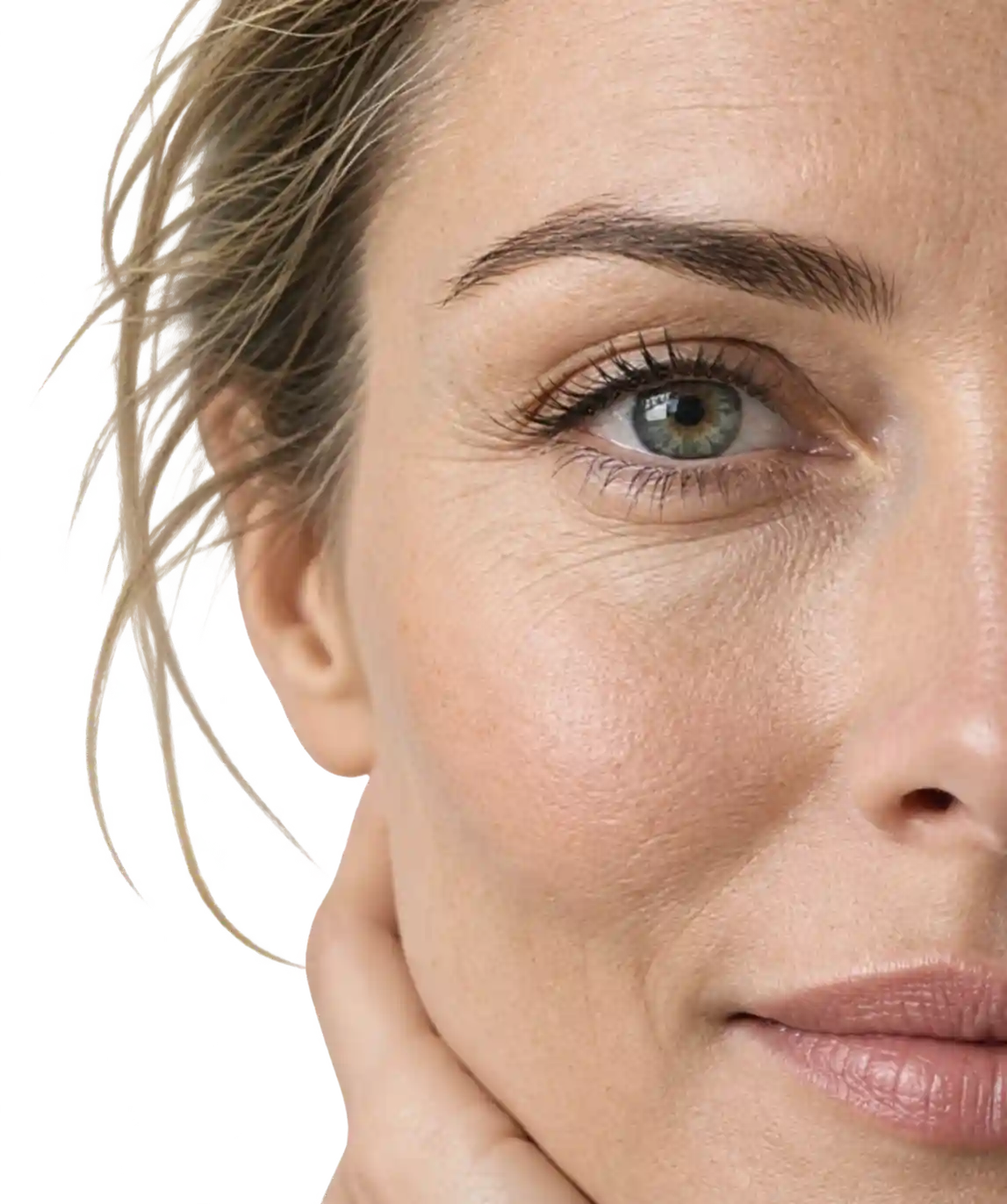

Skin moles
Removing moles from the face and neck
Some moles are cosmetically unacceptable, while others are a nuisance because they catch when shaving or clothing rubs, and are often knocked and bleed.
Benign moles on the face and neck respond well to removal. Moles with signs that suggest a worrying change, such as a change in size, shape or colour, or an irregular border, are preferably treated by surgical excision. The mole is then sent to a pathology laboratory for thorough examination.
These are simple procedures, most often carried out under local anaesthesia.
- Shave excision, where the mole is shaved down to the level of the surrounding skin
- Cryotherapy, using liquid nitrogen
- Chemicals such as salicylic acid
- Snipping off with surgical scissors
Skin cancer
Understanding skin cancer
Skin cancer is a growth that occurs when abnormal skin cells continue to multiply. It is usually not life-threatening if detected early enough. It can appear anywhere on the skin, but is more common in sun-exposed areas, and so is frequent on the face, head and neck.
Cancerous tumours can invade adjacent tissues and spread to other areas of the body through the lymphatic system and bloodstream.
There are two main types. Malignant melanoma develops from melanocytes and usually starts as a pigmented mole. The more common non-melanoma skin cancers include squamous cell carcinoma and basal cell carcinoma, and usually start as a new lump or ulcer of the skin.
Prevention remains the key in facial skin cancer treatment.
Treatment
Treatment for skin cancer
Surgery
Surgical removal is probably the commonest treatment for both primary and recurrent skin cancers. Most can be performed under local anaesthetic as an outpatient procedure, but some cases need admission and general anaesthetic.
Cryotherapy
Cryotherapy is the freezing of skin lesions. It is used for precancerous lesions such as actinic keratosis or Bowen's disease, and for benign lesions such as warts and seborrhoeic keratoses.
Medical treatments
Topical creams such as Efudix and Aldara stimulate the body's own immune system to fight abnormal cells. They are used in the management of lesions such as actinic keratoses, Bowen's disease and superficial basal cell carcinomas.
Other treatments
Lipomas, scars and tattoos
Lipomas
Lipomas are fatty lumps under the skin and are common on the head and neck. They grow slightly and can become painful, especially in the neck. They respond well to surgical excision, which can be performed as an outpatient procedure.
Scar revision
Mr Mattine offers scar revision surgery. Details are discussed at consultation.
Surgical tattoo removal
Mr Mattine also offers surgical tattoo removal.
Safety and appearance come first
Facial skin is not forgiving of scars, so every detail of the technique matters.
At a glance
Key surgery facts
- Anaesthesia
- Moles and most skin cancer surgery are carried out under local anaesthesia. Some cases need general anaesthesia.
- Setting
- Most procedures, including lipoma excision and most skin cancer surgery, are outpatient. Some skin cancer cases need admission.
The results
Surgery is ultimately judged not by its description, but by what it achieves.
Explore a selection of primary, revision and complex facial surgery cases performed by Mr Mattine.
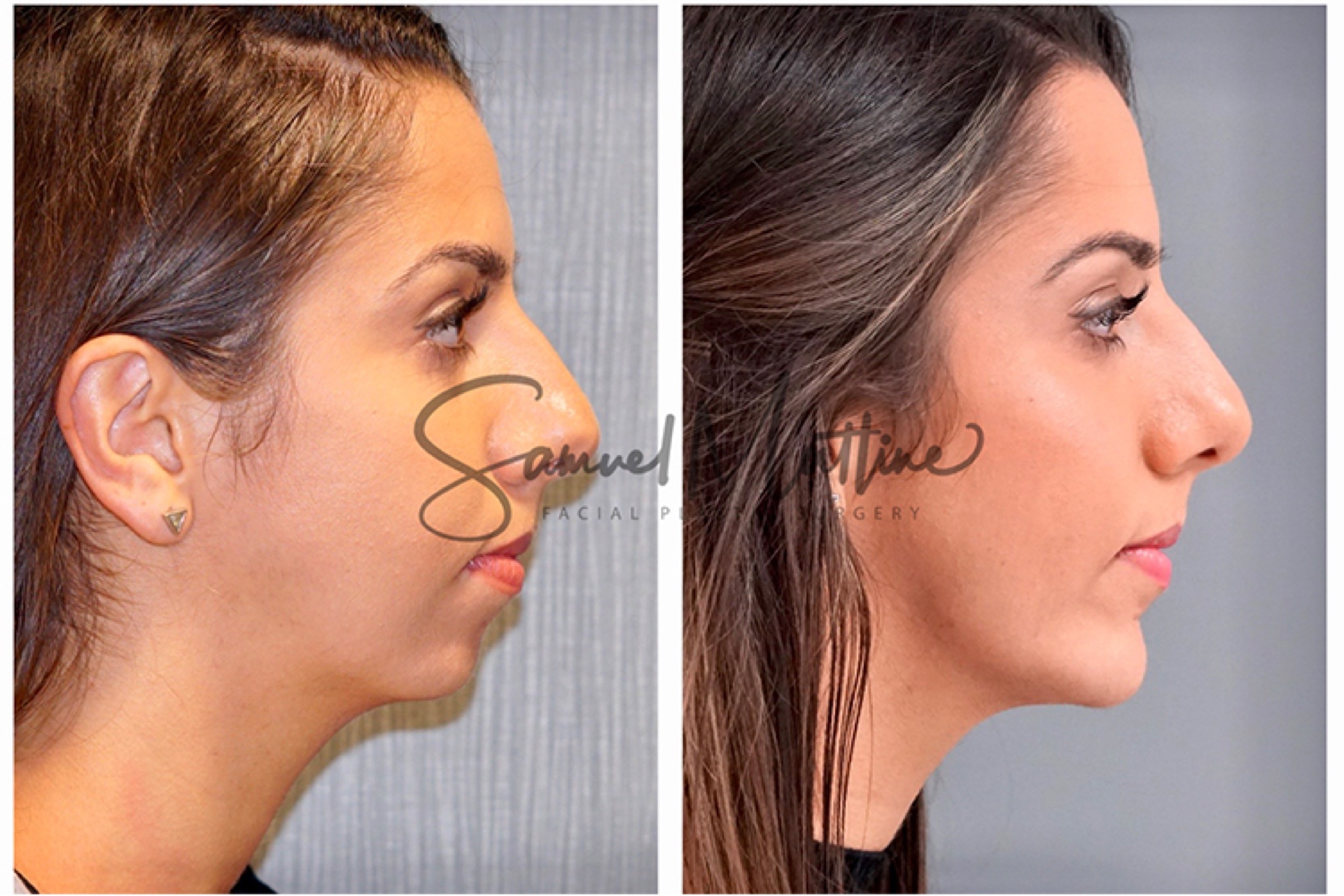
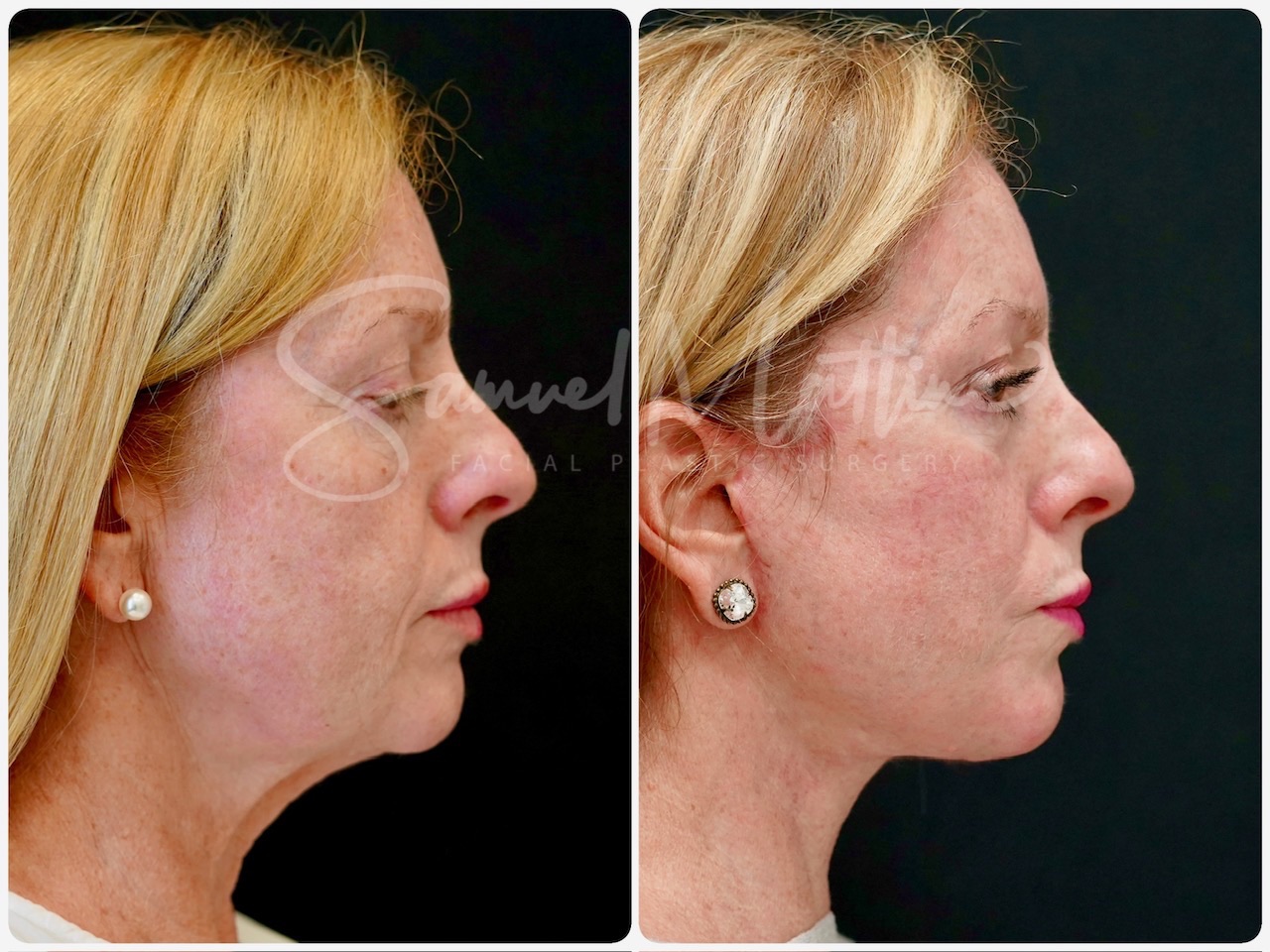
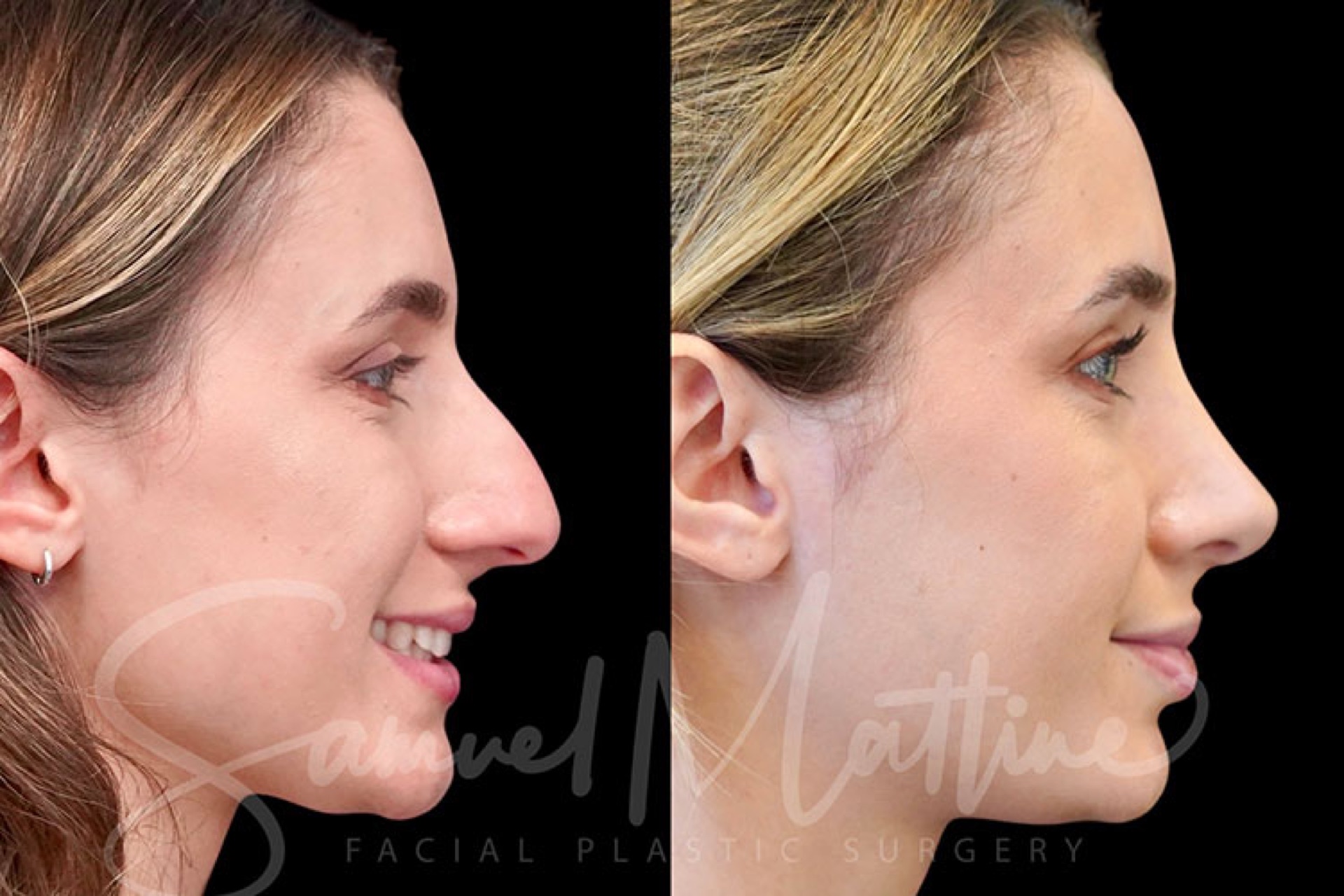
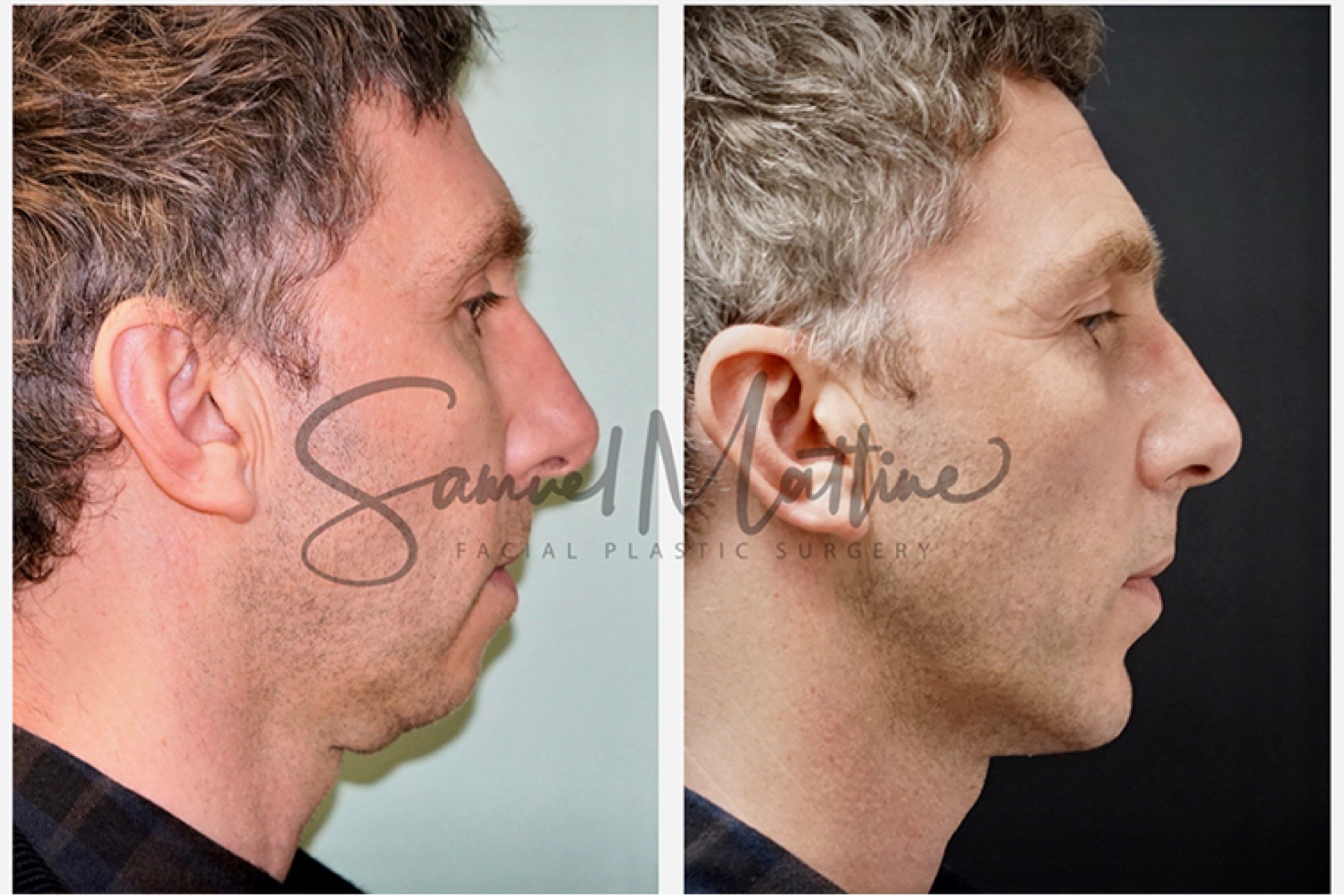
Skin Surgery
Frequently asked questions
Most facial skin lesions such as lumps, moles, cysts, skin tags and lipomas are benign. Where a lesion is suspected to be cancerous, surgical excision remains the treatment of choice.


A reputation built on results
Surgery is ultimately judged not by its description, but by what it achieves.
Explore a selection of primary, revision and complex facial surgery cases performed by Mr Mattine, then arrange a consultation in London or Birmingham.